As someone who has navigated the worlds of both online and traditional learning, I’ve spent a lot of time thinking about this choice. It’s at the forefront of modern education. Both methods offer distinct advantages and disadvantages, and from my perspective, the future is likely to be a blend of the two, rather than one replacing the other. I wanted to share what I’ve learned, as I’ve found that understanding their core differences is key to making an informed decision about your academic journey.
The Allure of Traditional Learning
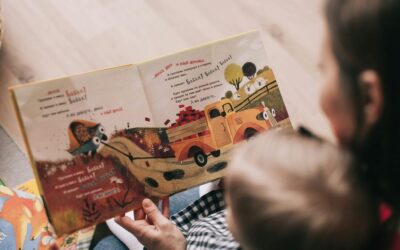
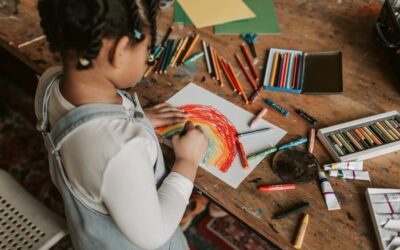
I’ll be the first to admit there’s something special about traditional learning, which takes place in a physical classroom. For me, the most significant benefit is the direct, face-to-face interaction with instructors and peers. This immediate feedback, spontaneous discussions, and collaborative projects foster a strong sense of community and enhance social skills. I also know that for myself, the physical classroom provides the discipline and routine needed to stay on track. Access to on-campus resources like libraries, labs, and career services is also a major advantage. However, I’ve also felt the downsides: this model often comes with a higher cost, strict schedules, and geographical limitations, which can be a barrier for many students.
The Flexibility of Online Learning
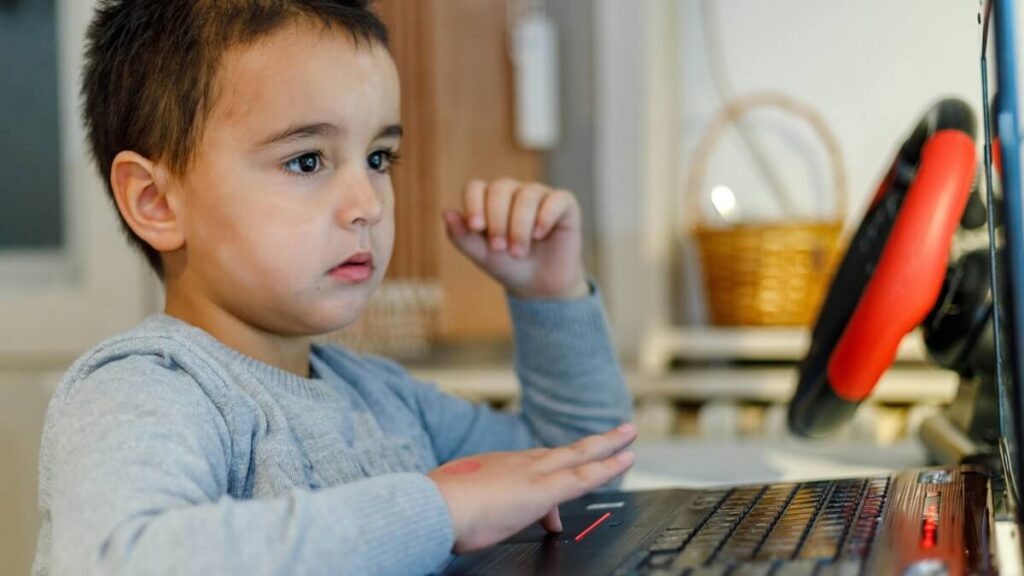
On the other hand, my experience with online learning has revolutionized my own approach to education by making it more accessible and flexible. Its primary strength lies in its convenience and adaptability. I found that I could learn from anywhere in theworld, on my own schedule, which is ideal for those balancing work, family, or other commitments. This self-paced approach really empowered me to take ownership of my education, and online platforms often incorporate a wide range of engaging multimedia content, from interactive quizzes to simulations. The cost is also generally lower, as it eliminates expenses like commuting and on-campus living. The challenge, however, and this is something I definitely struggled with, is the lack of face-to-face interaction, which can lead to feelings of isolation and may require a high degree of self-discipline and motivation.
Strengths and Weaknesses: A Side-by-Side View
When I compare the two, the trade-offs become clear. In my experience, traditional education excels in social interaction and structured learning, which is particularly beneficial for subjects that require hands-on experience or frequent collaboration. Online learning, on the other hand, triumphs in flexibility, accessibility, and personalization. While the effectiveness of either method can vary, I’ve seen studies showing that online learning can be just as effective as traditional learning. For me, the key difference often boils down to a student’s learning style and personal circumstances.
The Emergence of Hybrid Models
I truly believe the future of education is not a battle between online and traditional learning, but a synergy between them. Hybrid learning, or blended learning, combines the best of both worlds. It allows for the flexibility of online coursework while retaining the valuable in-person interaction for key discussions, labs, and group projects. This model offers a more holistic and robust educational experience, one that gives me the autonomy of digital learning and the community-building aspects of a physical campus. This adaptability is critical in preparing students for a world where both physical and digital collaboration are essential.
The Role of Technology in the Future
One area I’m personally watching closely is the evolution of education with technological advancement. Artificial intelligence (AI) is set to play a transformative role, offering hyper-personalized learning paths, intelligent tutoring systems, and automated feedback. AI-powered platforms can adapt content in real-time to a student’s needs, identifying weaknesses and providing targeted support. Furthermore, technologies like virtual and augmented reality (VR/AR) will create immersive learning environments, allowing students to conduct virtual science experiments or explore historical sites from their desks. I find this part especially exciting, as it will bridge the gap between abstract concepts and practical experience, making learning more engaging and effective than ever before.
The Shift in Pedagogy
As technology reshapes the educational landscape, I’ve also noticed the role of the educator is also changing. Teachers are moving from being a primary source of information to a facilitator and guide. Their focus is shifting towards helping students navigate a wealth of digital resources, develop critical thinking skills, and collaborate effectively in a digital-first world. The new pedagogical model is less about lectures and more about project-based learning, inquiry-based learning, and mentoring. This prepares students not just with a degree, but with the essential skills needed for a lifelong journey of continuous learning.
The Future is Blended
Ultimately, my personal journey has shown me that the future of education is not a simple choice between one modality and another. It is a blended, dynamic, and student-centered ecosystem where technology serves as a powerful tool to enhance both traditional and online learning. The ideal educational experience will be one that leverages the best of all worlds: the structure and community of the physical classroom, the flexibility and vast resources of online platforms, and the personalized, data-driven insights of AI. This fusion will create a more equitable, accessible, and powerful educational system that truly prepares individuals for the complexities of the 21st century.
That’s my take on it, based on my own experiences and what I’ve seen happening in education. I’ve found value in both approaches, but I know everyone’s situation is unique.
Now, I’d love to hear from you. What has your experience been?
- Are you a fan of the traditional classroom, or has online learning been a better fit for you?
- What are the biggest benefits or challenges you’ve faced with either?
Please share your story and your own experiences in the comments below!