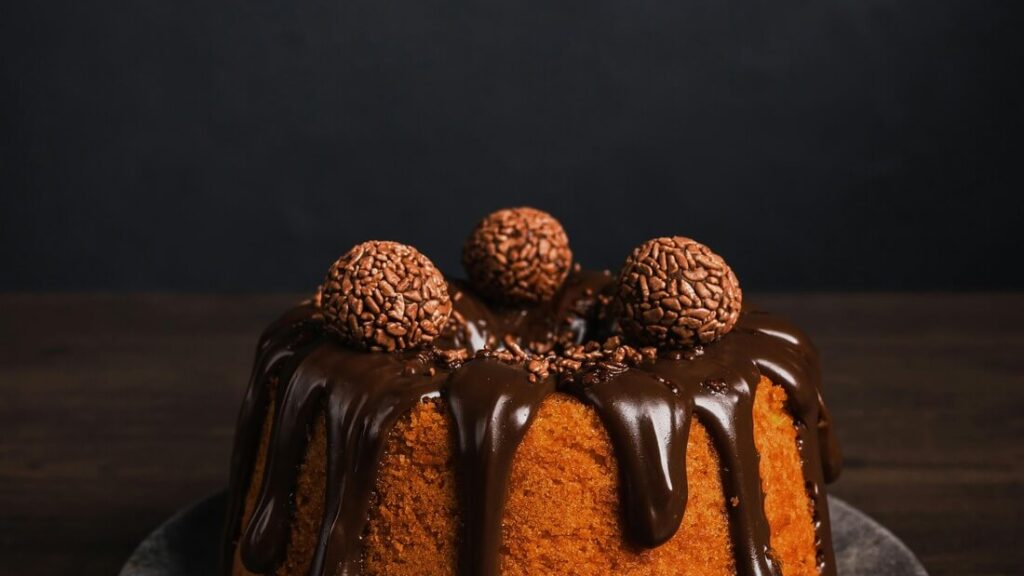
We have all been there. You spend hours in the kitchen, carefully following a recipe, dreaming of that perfect, fluffy cake you saw on Instagram. The timer goes off, you rush to the oven with excitement, but when you pull the pan out… disaster. Maybe the cake has sunk in the middle, or the cookies are hard as rocks.
I remember my first attempt at baking chocolate chip cookies. I was so confident! But when they came out of the oven, they had spread into one giant, flat, greasy pancake. I was heartbroken. I thought I was just a “bad baker.” But the truth is, baking isn’t magic; it’s science. And usually, it’s the smallest habits that cause the biggest disasters.
Over the years, through many burnt edges and soggy bottoms, I’ve learned that most baking failures come down to just a few common habits. The good news? They are incredibly easy to fix.
Here are the 5 most common baking mistakes I used to make, and exactly how you can avoid them to get bakery-style results at home.
1. The “Scoop and Shake” Method (Measuring Flour Incorrectly)
If I had to pick the number one enemy of new bakers, it is the measuring cup. For years, I would stick my measuring cup directly into the bag of flour, scoop out a heap, and shake it until it looked level.
The Problem: When you scoop directly from the bag, you are packing the flour down tight. This can result in adding up to 30% more flour than the recipe actually calls for. Excess flour is the main reason cakes turn out dry, dense, and crumbly, or why cookies don’t spread and taste like chalk.
How to Fix It: The best solution is to buy a cheap digital kitchen scale. Weighing your ingredients (in grams) is the only way to be 100% accurate.
However, if you want to stick to cups, use the “Spoon and Level” method:
- Fluff up the flour in the bag with a spoon.
- Gently spoon the flour into your measuring cup until it’s overflowing.
- Use the back of a knife to scrape off the excess and level it. Never pack it down or tap the cup on the counter!
2. Ignoring Ingredient Temperature
I used to be very impatient. If a recipe called for “room temperature butter” or eggs, I would ignore it. I’d grab the butter straight from the fridge and try to mix it, or worse, melt it in the microwave until it was liquid.
The Problem: Temperature matters! Baking relies on an emulsion of fat (butter) and liquid (eggs/milk).
- Cold ingredients don’t mix well. If your butter is hard, it won’t cream with the sugar to create those tiny air pockets that make a cake fluffy.
- Hot/Melted butter changes the texture completely. In cookies, melted butter makes them spread too much and become greasy.
How to Fix It: Plan ahead! Take your butter and eggs out of the fridge about 30 to 60 minutes before you start baking.
- Forgot to take them out? Here is a hack:
- For Eggs: Place the cold eggs in a bowl of warm (not hot) water for 5 minutes.
- For Butter: Cut the butter into tiny cubes and let them sit on a plate. They will soften much faster than a whole stick.
3. Opening the Oven Door Too Early
This is a mistake born of curiosity. It smells so good, and you just want to take a little peek to see how it’s rising. I am guilty of this, too!
The Problem: Your oven is like a balloon of hot air. Every time you open the door, that hot air rushes out and cold kitchen air rushes in. This sudden drop in temperature can cause your rising cake or soufflé to collapse. Once a cake sinks in the middle, there is no way to make it rise again.
How to Fix It: Trust the process and buy an oven light! Keep the door closed until at least 75% of the baking time has passed. If you need to check if it’s done, wait until the minimum time stated in the recipe.
Also, try to get an oven thermometer. Most home ovens are lying to you—they might say 350°F (175°C) but actually be 325°F or 370°F. An internal thermometer helps you know the real heat.
4. Overmixing the Batter
We are often taught that mixing thoroughly is good, but in baking, you can definitely do too much of a good thing.
The Problem: Flour contains gluten. When you mix flour with wet ingredients, that gluten starts to develop. Think of gluten like a rubber band; a little bit gives structure, but a lot makes things tough and chewy.
- For bread: We want to overmix (knead) to make it chewy.
- For cakes and muffins: We want them tender. Overmixing creates a tough, rubbery cake with tunnels inside.
How to Fix It: As soon as you add the flour to your wet mixture, stop using the electric mixer. Switch to a spatula or a wooden spoon. Mix gently just until you can’t see any white streaks of flour anymore, then stop immediately. It’s okay if the batter looks a tiny bit lumpy (especially for muffins/pancakes).
5. Not Prepping Your Pan Properly
Imagine making the perfect batter, baking it perfectly, and then… it’s stuck to the pan. You try to pry it out with a knife, and the cake breaks into pieces. This is the most frustrating feeling in the world.
The Problem: Non-stick pans eventually lose their coating, and intricate bundt pans are notorious for holding onto cakes. Relying only on a quick spray of oil often isn’t enough for heavy batters.
How to Fix It: Don’t just grease it—flour it too!
- Rub butter or oil all over the inside of the pan.
- Throw in a tablespoon of flour (or cocoa powder for chocolate cakes, so you don’t get white residue).
- Shake the pan until every inch is coated with a thin layer of dust.
- Tap out the excess flour.
For square or round pans, my personal favorite trick is using parchment paper. Cut a piece to fit the bottom of the pan. It guarantees a 100% clean release every single time.
Final Thoughts
Baking is a journey. You will make mistakes, and that is okay! Even professional pastry chefs burn things sometimes. The key is to understand why it happened so you can fix it next time.
By measuring carefully, respecting temperature, and treating your batter gently, you will instantly see a massive improvement in your baking.
Happy Baking!
Frequently Asked Questions (FAQs)
Q: Can I use salted butter instead of unsalted butter? A: Yes! Just reduce the added salt in the recipe by about 1/4 teaspoon. However, baking recipes usually recommend unsalted butter so you can control exactly how salty the final product is.
Q: Why did my cake crack on top? A: This usually means your oven was too hot. The outside crust formed too quickly while the inside was still rising, causing it to burst through the top.
Q: My cookies are always too hard. What am I doing wrong? A: You might be baking them too long. Cookies continue to cook on the hot baking sheet even after you take them out of the oven. Take them out when they still look slightly soft in the center.
Do you have a baking disaster story? Or maybe a question about a recipe that just won’t work? Let me know in the comments below—I’d love to help you troubleshoot!