10 Fun Screen-Free Activities That Actually Help Kids Learn
If your house is anything like mine, the battle over screen time is a daily reality. Just last month, I walked into the living room to find both of my kids staring blankly at a tablet, completely ignoring the beautiful sunny afternoon outside. I realized right then that we needed a major reset. Taking away the screens was the easy part; figuring out what to do with the sudden “I’m bored” complaints was the real challenge.
I set out to find activities that weren’t just distractions, but ways for them to actually learn and grow without realizing it. What I discovered is that when we strip away the flashing lights and digital sounds, kids tap into a well of creativity that is incredibly rewarding to watch. Here are the screen-free activities that saved my sanity and turned our afternoons into moments of genuine learning.
The Magic of Building and Engineering
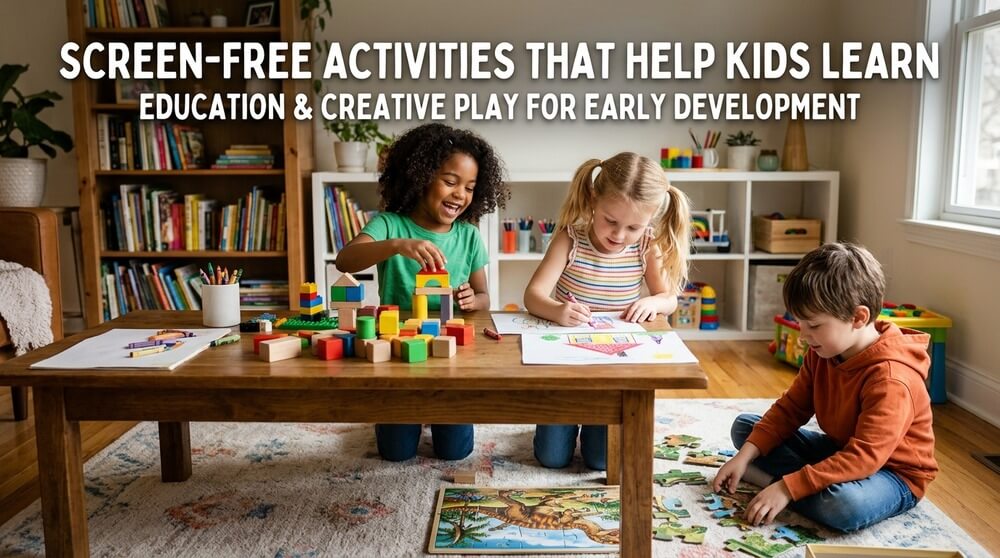
You don’t need fancy robotic kits to teach engineering. When I pulled out an old box of wooden blocks and some leftover cardboard boxes from a delivery, I didn’t expect much. But within an hour, my living room was transformed into a sprawling castle. Building with blocks, magnetic tiles, or even recycled materials teaches spatial awareness, problem-solving, and basic physics. When their tower inevitably falls, they are learning about balance, gravity, and, most importantly, resilience.
Getting Messy with Sensory Play
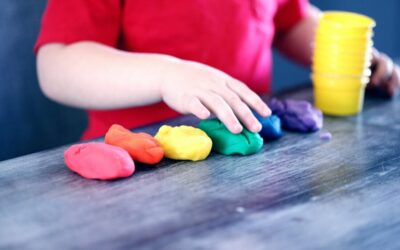
I used to avoid messy play because of the cleanup, but giving in to it has been a game-changer. We started making homemade playdough and setting up “potions” in the backyard using water, dirt, and baking soda. Sensory play is crucial for brain development. It builds nerve connections in the brain’s pathways, which leads to a child’s ability to complete more complex learning tasks. Measuring flour or pouring water from one cup to another also introduces early math and science concepts in a way that feels like pure fun.
Kitchen Science and Cooking Together
One afternoon, desperate for an activity, I dragged a step stool to the kitchen counter and handed my youngest a whisk. Cooking together is secretly an intensive educational class. Following a recipe teaches step-by-step logic and reading comprehension. Measuring ingredients introduces fractions and volume. Plus, discussing how dough rises or how butter melts turns your kitchen into a science lab. The best part? They are much more likely to eat vegetables if they helped chop them (with a child-safe knife, of course!).
Nature Scavenger Hunts
Getting out of the house instantly resets everyone’s mood. We started doing weekend nature walks, but to keep them engaged, I created a simple scavenger hunt list on a piece of paper. I asked them to find something rough, something green, a leaf with jagged edges, and a smooth rock. This activity sharpens their observational skills and encourages them to categorize and classify the world around them—foundational skills for scientific thinking.
Board Games and Puzzles
It is easy to underestimate the humble board game, but playing games together has taught my kids some of the hardest life lessons. Games like Chutes and Ladders or simple memory matching cards teach patience, taking turns, and how to lose gracefully. Puzzles are fantastic for visual-spatial reasoning and fine motor skills. When we sit down for a family game night, the kids are practicing strategy and critical thinking while we all get to bond and laugh.
Storytelling and Reading Aloud
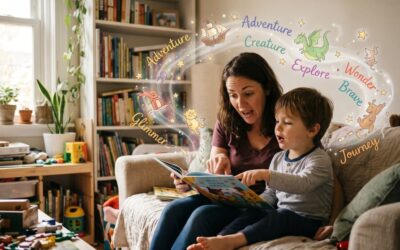
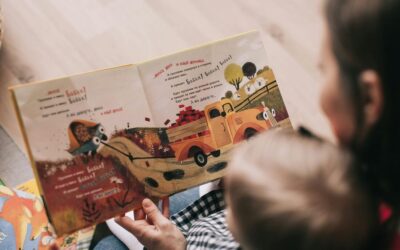
Reading is a given for learning, but we changed how we do it. Instead of just reading to them, we started reading with them. I will pause and ask, “What do you think happens next?” or “How do you think that character is feeling?” This turns reading into an active exercise in empathy and reading comprehension. Sometimes, we ditch the books entirely and take turns making up a story, one sentence at a time. It gets silly very fast, but it dramatically boosts their vocabulary and narrative skills.
Creating an Art Station
I designated a small corner of our dining room as the “Art Studio.” I stocked it with paper, washable markers, safety scissors, glue, and old magazines. Giving kids open-ended access to art supplies without a specific project in mind allows their imagination to take the wheel. Cutting paper builds the hand strength needed for writing, and mixing colors teaches basic color theory. It is a wonderful way for them to express complex emotions they might not have the words for yet.
Indoor Obstacle Courses
Physical activity is deeply tied to cognitive function. On rainy days when everyone is bouncing off the walls, we build obstacle courses using couch cushions, blankets, and chairs. They have to crawl under the table, jump over the pillow lava, and balance a book on their head to the finish line. This builds gross motor skills, coordination, and the ability to follow a complex sequence of physical directions.
Putting on a Play or Show
My kids love raiding the closet for old hats and scarves to put on a “show.” Dramatic play is incredibly important for social and emotional development. By pretending to be a doctor, a teacher, or a superhero, they explore different perspectives and practice social interactions. Memorizing a little song or planning a script exercises their memory and sequential planning skills.
Sorting and Organizing
Believe it or not, chores can be educational. I started asking my kids to help me sort the laundry. Matching socks is a lesson in pattern recognition. Organizing their toys by color or type teaches categorization. Kids actually love feeling helpful and contributing to the household, and they are learning valuable life skills and basic math concepts in the process.
Replacing screen time with hands-on activities takes a little more effort upfront, but the payoff is massive. I have noticed a huge decrease in tantrums, better sleep, and a sudden explosion in their curiosity about the world. You don’t need to be a Pinterest-perfect parent to make this work; you just need to give them a little space, a few simple tools, and the permission to explore.
What about you? Have you tried reducing screen time in your home? What is the one screen-free activity your kids can’t get enough of? Do you find messy play worth the cleanup, or do you stick to the outdoors for the chaotic stuff? Let me know in the comments below—I am always looking for new ideas to add to our rotation!