8 Heartwarming Books About Kindness & Empathy That Kids Actually Love

Why Storytime Is the Best Way to Teach Empathy
Children learn best through connection, not rules. When a child listens to a story, their brain steps directly into the character’s shoes. They feel the sting of being left out on the playground, and they feel the warmth when someone offers a helping hand.
In my experience, a ten-minute picture book does more to build emotional intelligence than an hour-long talk. Even better, stories give kids the exact words they need when real-life moments happen at school or with siblings.
Quick Guide: Best Books About Kindness by Age Group
If you are short on time, use this quick chart to pick the right book for your child’s age:
| Book Title | Author | Best Age | Core Lesson |
|---|---|---|---|
| The Rabbit Listened | Cori Doerrfeld | Ages 3–5 | Listening without fixing |
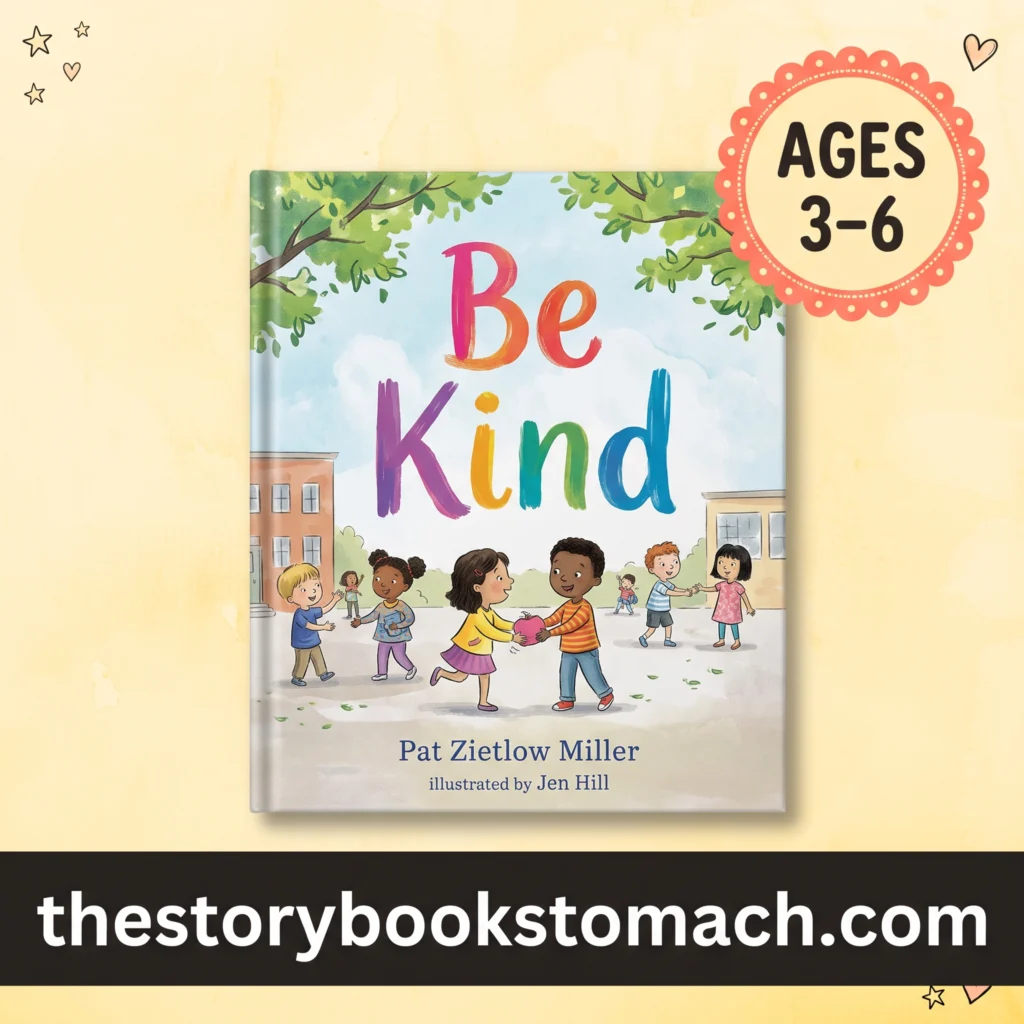
| Be Kind | Pat Zietlow Miller | Ages 3–6 | Small daily acts of care |
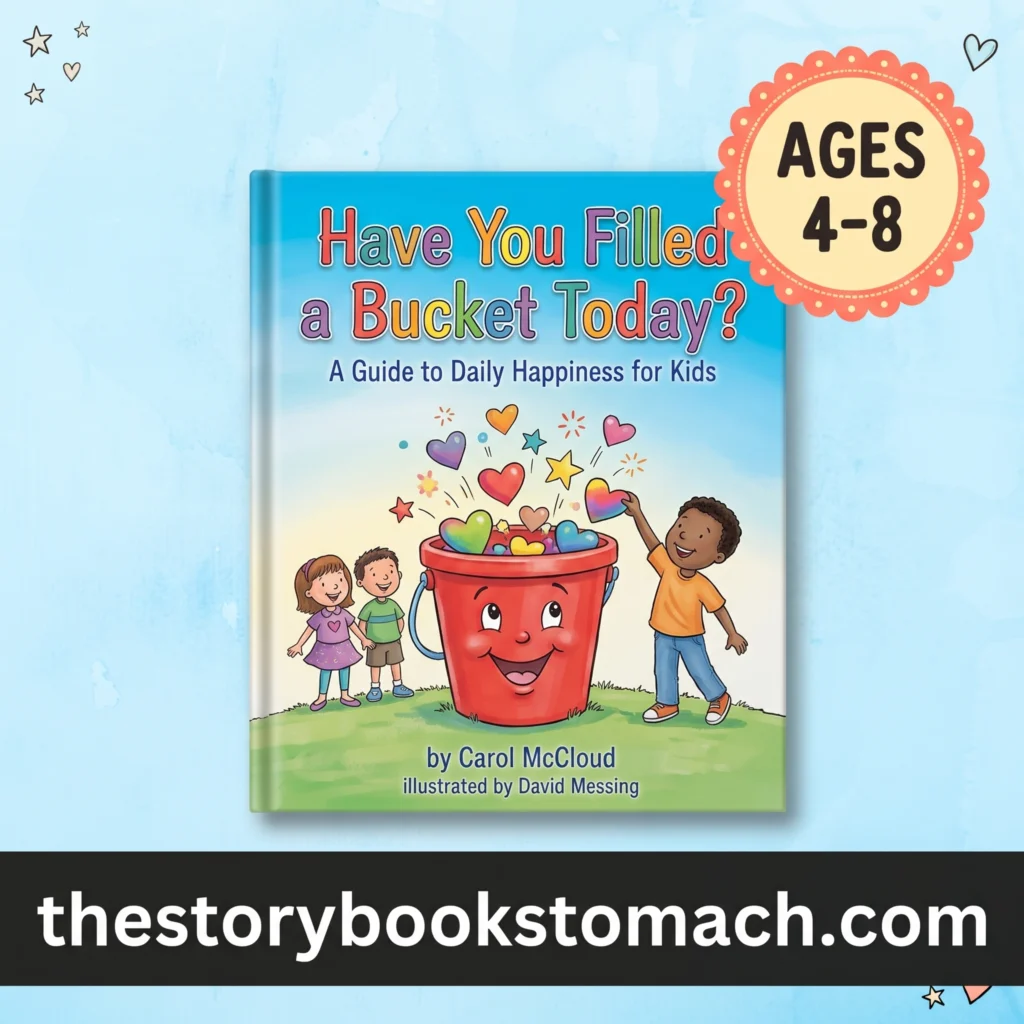
| Have You Filled a Bucket Today? | Carol McCloud | Ages 4–8 | How words affect others |
| Last Stop on Market Street | Matt de la Peña | Ages 4–8 | Gratitude and perspective |
| Those Shoes | Maribeth Boelts | Ages 5–8 | Generosity and selflessness |
| Each Kindness | Jacqueline Woodson | Ages 5–9 | Not waiting too late to be kind |
| The Invisible Boy | Trudy Ludwig | Ages 6–9 | Including quiet classmates |
| Wonder | R.J. Palacio | Ages 8–12 | Choosing kindness over cruelty |
Top 8 Books About Kindness & Empathy Every Child Should Read
1. Have You Filled a Bucket Today? by Carol McCloud (Ages 4–8)
This was the very first book that transformed how we talk about feelings at home. The story uses a simple metaphor: everyone carries an invisible bucket that holds their good thoughts and feelings. When we say or do something kind, we fill someone’s bucket—and our own bucket fills up too. Now, whenever sibling arguments start, I simply ask, “Are we bucket-filling or bucket-dipping right now?”
- Storytime Question: What is one thing you did today that filled someone else’s bucket?
2. Be Kind by Pat Zietlow Miller (Ages 3–6)
When a girl named Tanisha spills grape juice all over her new dress at school, her classmate wonders what it really means to be kind. I love this book because it doesn’t pretend kindness is always grand or easy. It shows kids that kindness can be as simple as offering a tissue, sitting next to someone, or giving them space when they feel embarrassed.
- Storytime Question: If your friend had a bad day at school, how could you help them feel better?
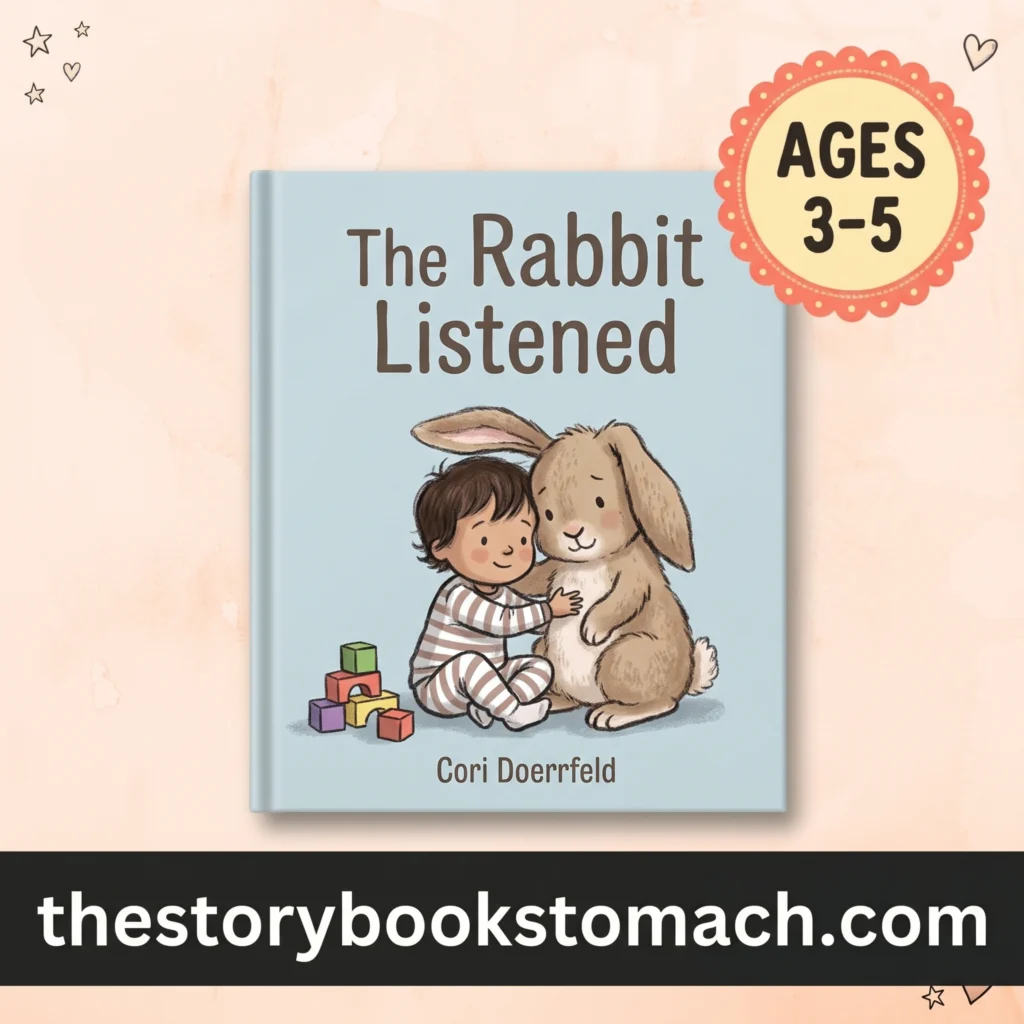
3. The Rabbit Listened by Cori Doerrfeld (Ages 3–5)
As an adult, this book taught me a lesson too. When young Taylor’s giant block tower crashes down, all the animals rush in with advice—the bear wants to shout, the elephant wants to fix it, and the ostrich wants to hide. Only the rabbit sits quietly and listens until Taylor is ready to talk. It is one of the gentlest books about kindness for toddlers learning how to comfort a sad friend.
- Storytime Question: When you feel sad, do you like someone to talk to you or just sit with you?
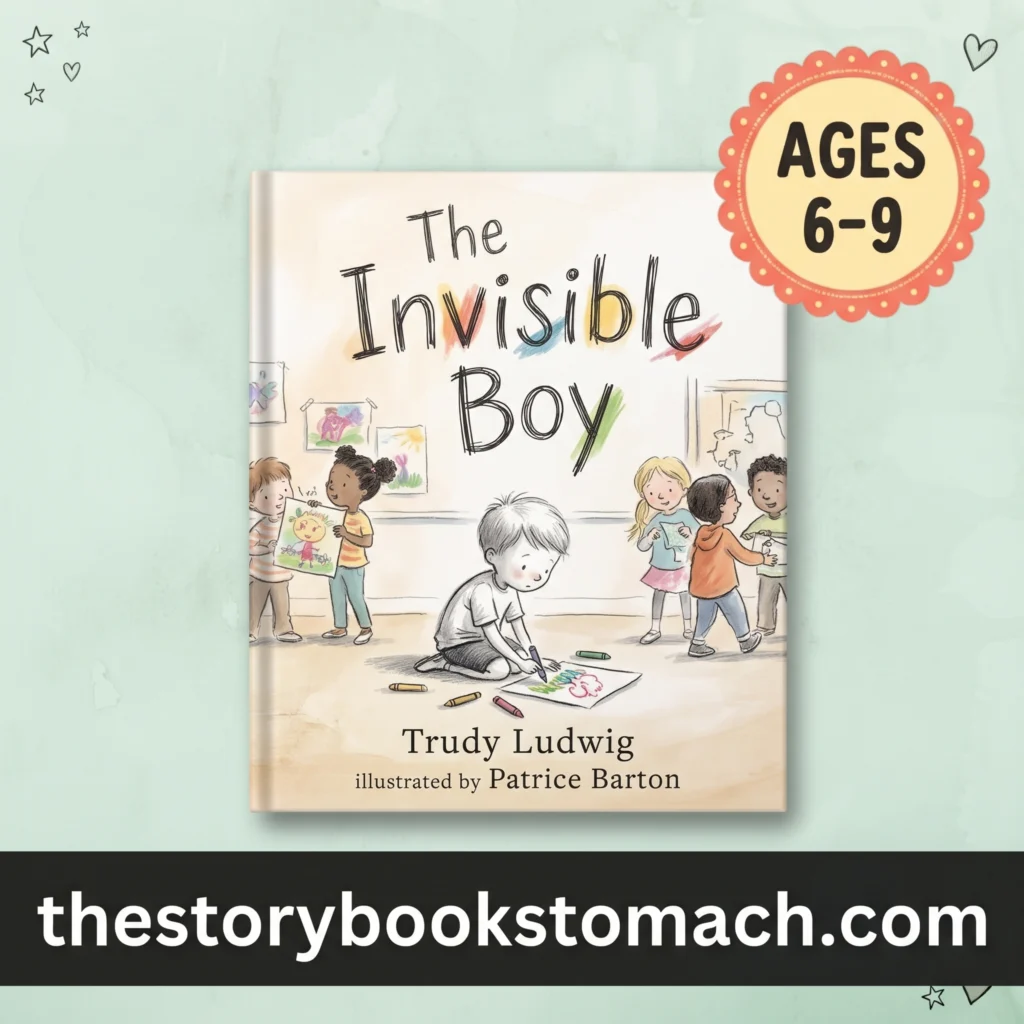
4. The Invisible Boy by Trudy Ludwig (Ages 6–9)
This story tugs at my heart every single time we read it. Brian is a quiet boy who feels completely invisible in his classroom—nobody picks him for teams or invites him to birthday parties, so the illustrator draws him in black and white. When a new student arrives and Brian welcomes him, Brian slowly starts filling with color.
- Storytime Question: Have you ever noticed someone sitting alone at lunch or recess? What could you say to them?
📥 Free Download: 7-Day Kindness Checklist & Storytime Question Cards (PDF)
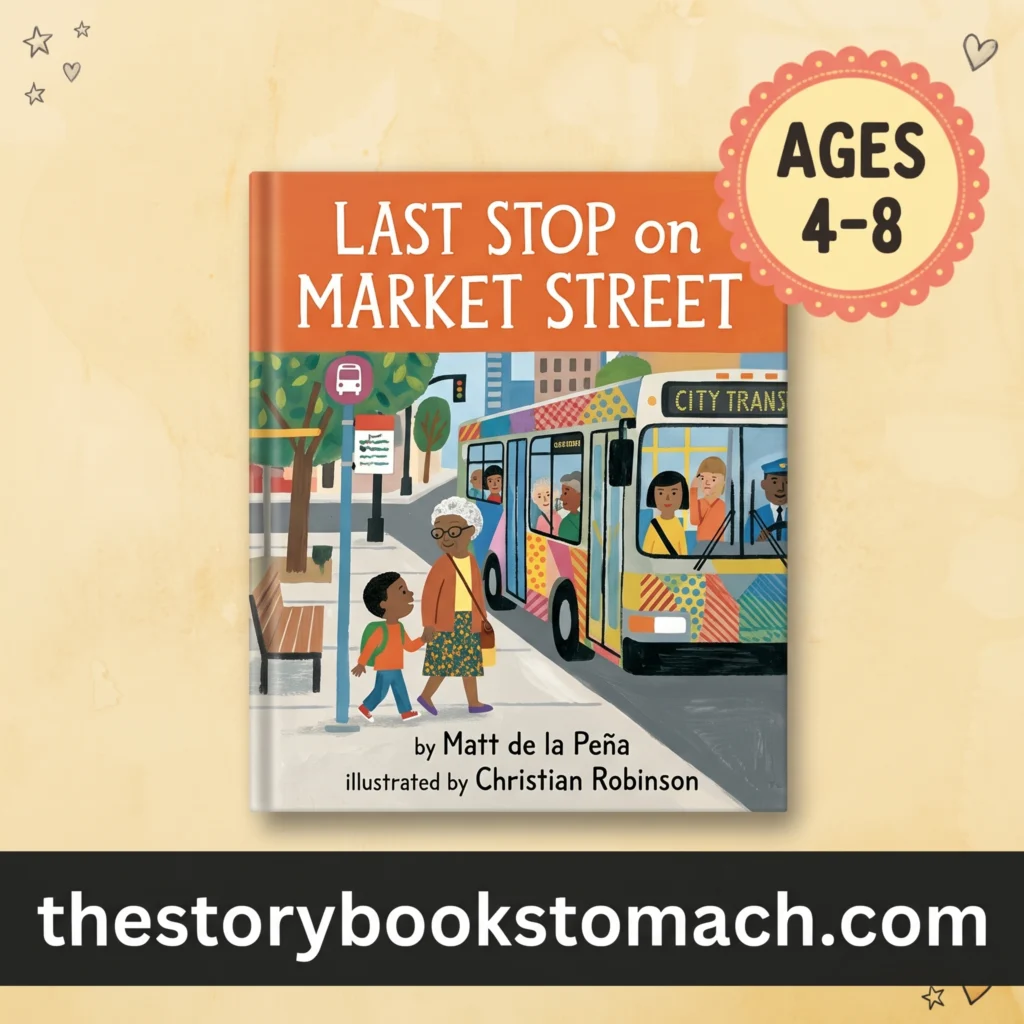
5. Last Stop on Market Street by Matt de la Peña (Ages 4–8)
After church, CJ and his grandmother take a city bus across town. CJ complains that they don’t own a car or fancy gadgets like other kids, until his wise grandmother helps him notice the music, warmth, and beauty in the people around them—ending their ride at a local soup kitchen. It teaches empathy across different walks of life without ever feeling preachy.
- Storytime Question: What is something we have in our life today that we can feel thankful for?
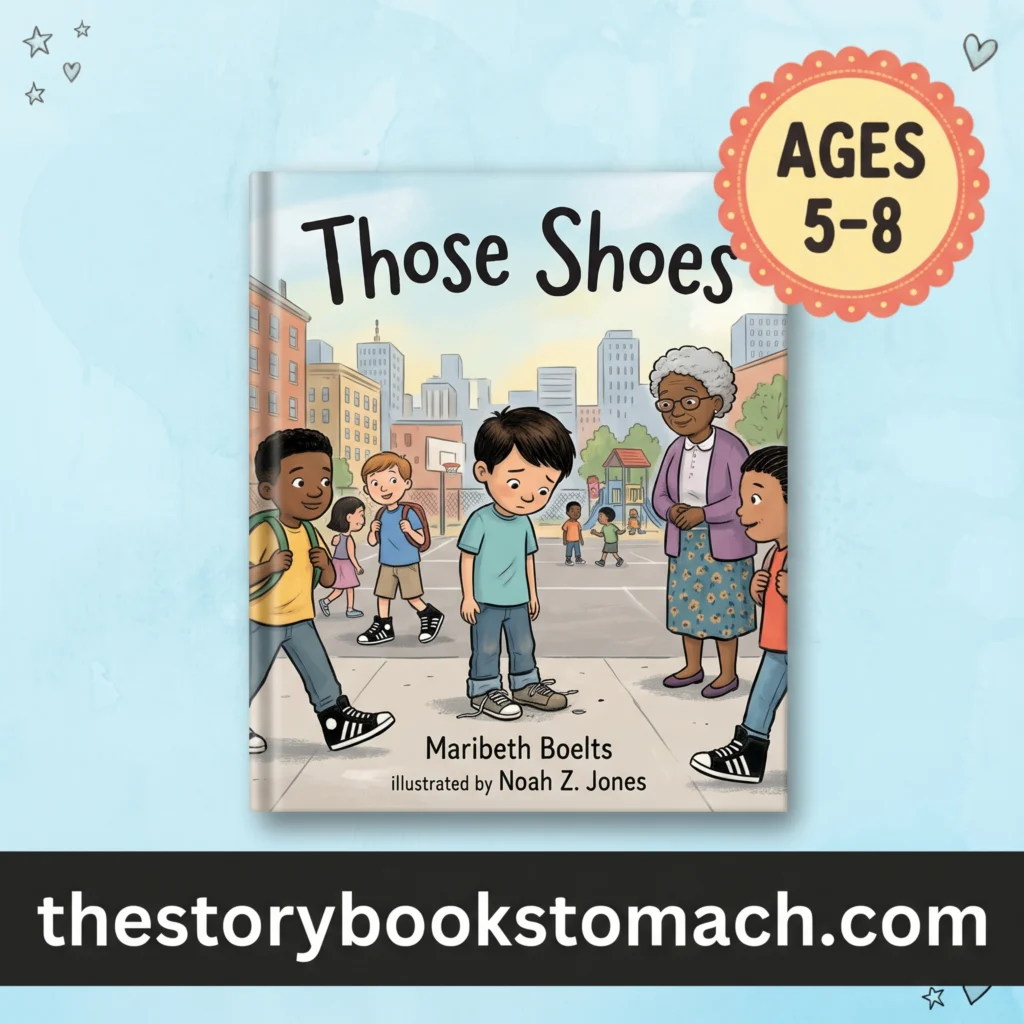
6. Those Shoes by Maribeth Boelts (Ages 5–8)
Jeremy desperately wants the trendy high-top shoes everyone at school is wearing, but his grandma cannot afford them. When he finally finds a pair at a thrift shop, they are way too small—and he notices a classmate whose shoes are falling apart. Watching Jeremy decide to give those shoes away sparks honest conversations about true generosity.
- Storytime Question: Why was it hard for Jeremy to give away the shoes, and how did he feel afterward?
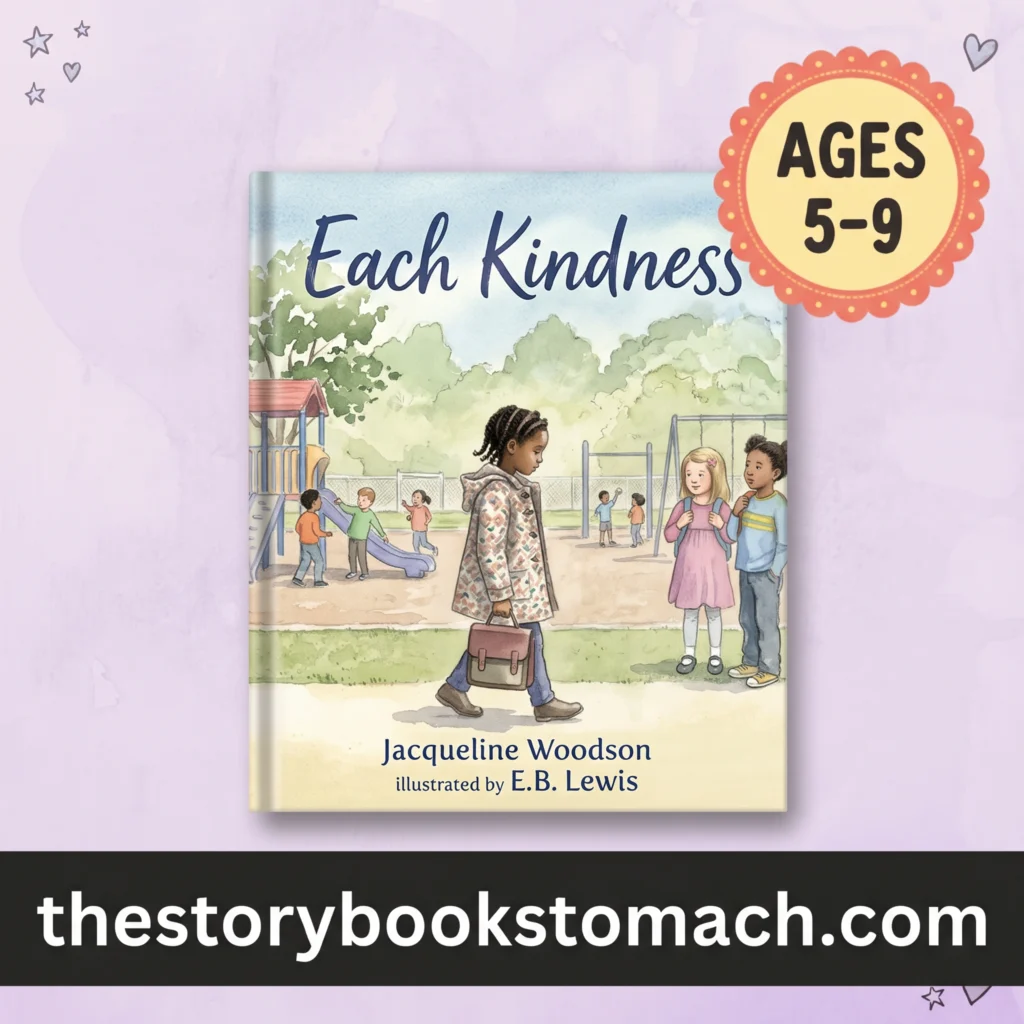
7. Each Kindness by Jacqueline Woodson (Ages 5–9)
Unlike most picture books, Each Kindness does not have a neat, happy ending—and that is exactly why it stays with children. Chloe and her friends ignore a new girl named Maya until Maya moves away, leaving Chloe wishing she had taken her chance to be kind. Every time we finish this book, my kids get quiet and thoughtful.
- Storytime Question: Why is it important to be kind right away instead of waiting for tomorrow?
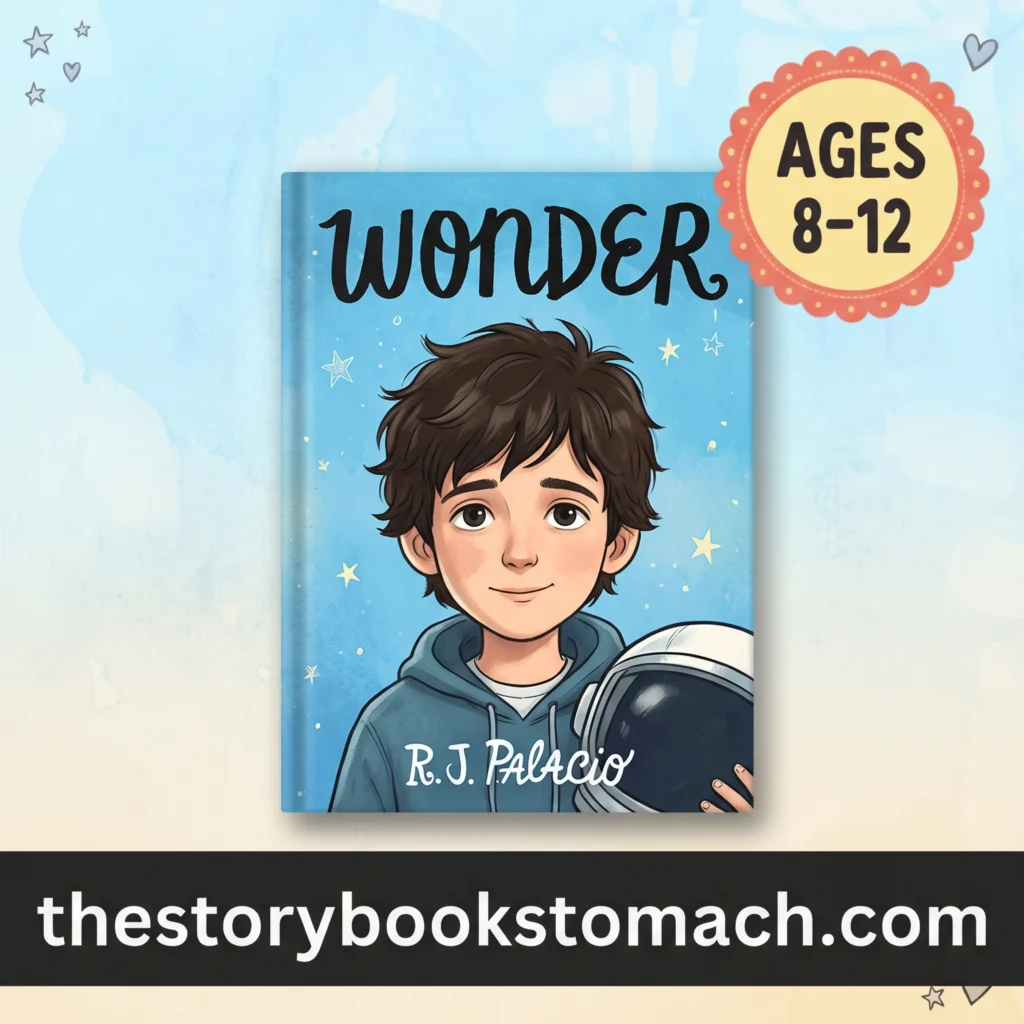
8. Wonder by R.J. Palacio (Ages 8–12)
If you have older elementary or middle-grade readers, Wonder is a must-read chapter book. It follows Auggie Pullman, a boy born with facial differences entering a mainstream school for the first time. Reading a chapter together each night opened up deep conversations about courage, peer pressure, and choosing kindness when nobody is watching.
- Storytime Question: What does Mr. Browne’s rule—”When given the choice between being right or being kind, choose kind”—mean to you?
3 Easy Ways to Turn Reading Into Daily Kindness Habits
Reading books about kindness is a wonderful first step, but small follow-up habits help those lessons stick:
- Pause Before the Last Page: Ask your child what they would do if they were the main character.
- Start a Family Kindness Jar: Keep a jar and slips of paper on the kitchen counter. Whenever someone does something thoughtful, write it down and read the notes together on Sunday night.
- Pair Stories With Hands-On Activities: Just like playful learning games help early literacy stick, acting out scenes from favorite books helps younger kids practice empathy through play.
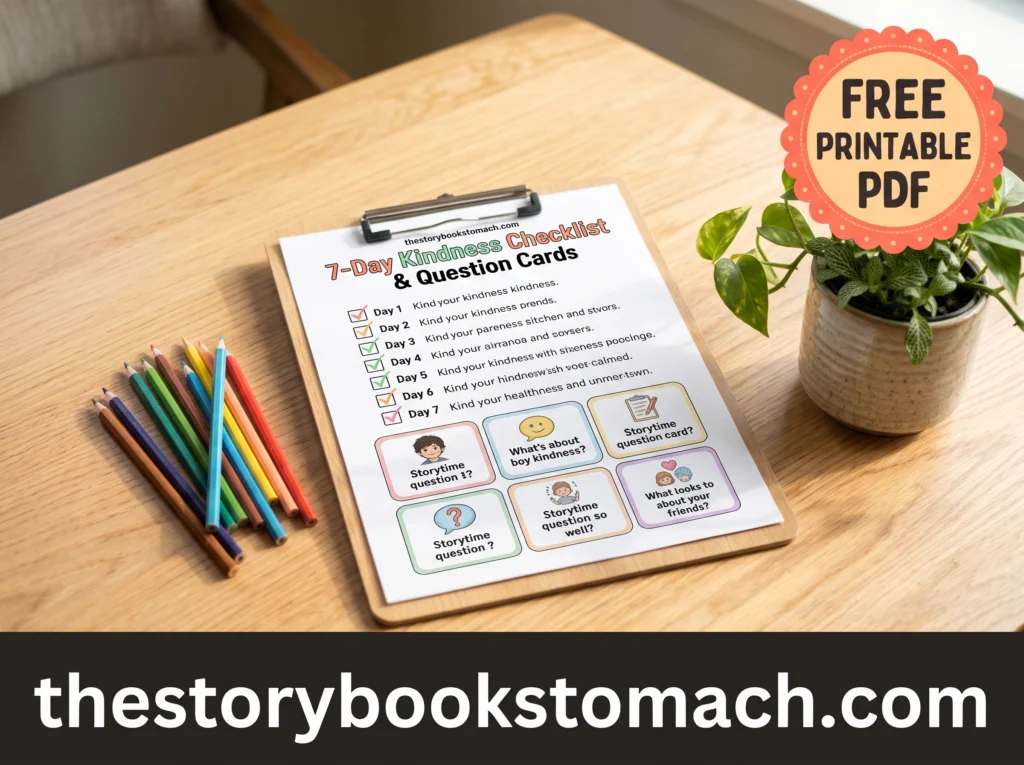
📥 Download Free PDF: 7-Day Kindness Checklist & Storytime Question Cards
Frequently Asked Questions About Books on Kindness
What age should I start reading books about kindness to my child?
You can start as early as age 2 or 3 with simple board books and picture books that show sharing, gentle hands, and comforting a friend. Toddlers absorb emotional cues from illustrations long before they understand complex words.
How do books help children develop empathy?
Stories allow children to safely experience another person’s feelings from a distance. When kids see how a character feels when left out or helped, they learn to recognize those same emotions in their classmates and siblings.
Final Thoughts & Over to You!
Raising kind kids doesn’t happen overnight, and we all have days when patience runs thin. Having a few go-to books about kindness on your shelf gives you a gentle, joyful way to reconnect and remind your children that small acts of love truly matter.
I would love to hear from you in the comments below!
- Which book on this list is already a favorite in your home or classroom?
- What is one book about kindness that taught your child an unforgettable lesson?
- Would you like me to create a part two featuring kindness books for tweens and teens?