If you have more than one child at home, you probably know the exact sound of a peaceful afternoon turning into a wrestling match over a single blue crayon. For a long time, I used to step in as the referee every ten minutes, exhausted from trying to keep the peace. One day, it hit me: telling kids to “be nice to each other” does not work nearly as well as giving them a shared goal.
When kids team up toward something fun, the rivalry fades and real sibling bonding begins. Over the past few months in our home, I started replacing screen time and solo play with simple activities that require two pairs of hands. Here are the ten activities that genuinely brought my kids closer—and kept our living room much calmer.
1. Build a Living Room Blanket Fort Together
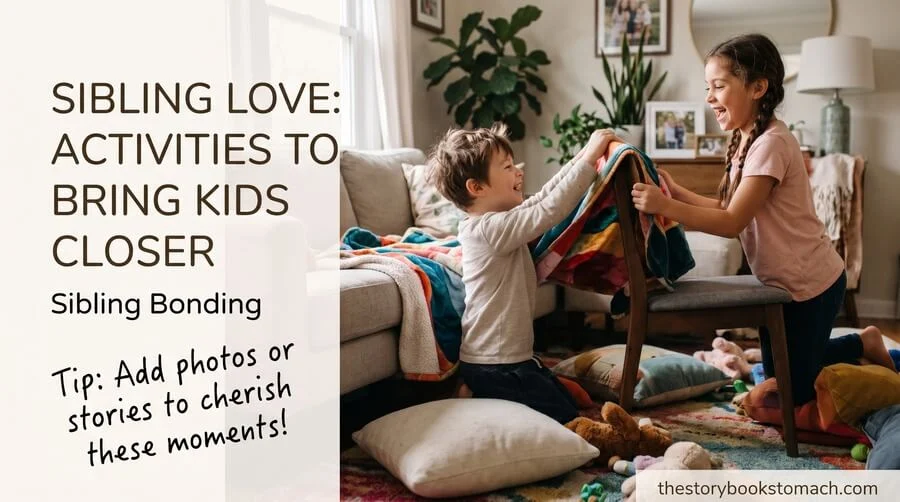
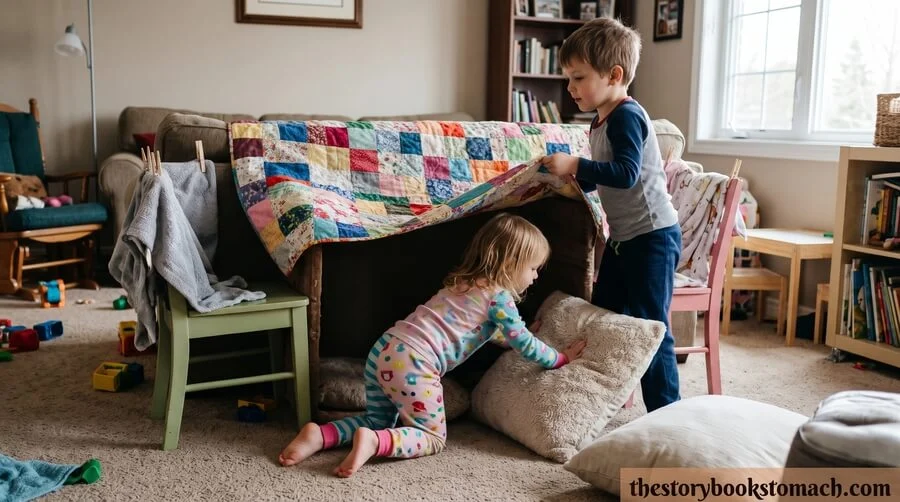
Nothing unites kids faster than a secret hideout. Instead of setting it up for them, hand over two bedsheets, a few clothespins, and sofa cushions, and let them figure out the architecture together.
In our house, my older one naturally became the “engineer” figuring out how to drape the roof, while my younger one was in charge of pillow flooring. Once it is built, let them eat their afternoon snack inside with a flashlight. That cozy, enclosed space instantly creates an “us against the world” feeling.
2. Host a “Two-Chef” Kitchen Challenge
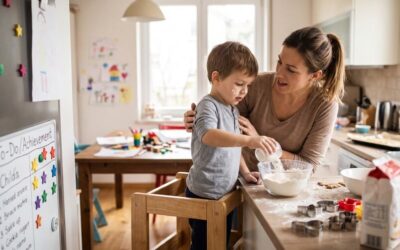
Cooking together teaches patience and turn-taking without feeling like a lecture. Pick something low-mess where each child gets a clear, equal job.
- Older child’s role: Measuring flour, cracking eggs, or using a butter knife to slice soft bananas.
- Younger child’s role: Stirring the batter, pouring chocolate chips, or arranging toppings on mini pizzas.
Last Sunday, we made simple oatmeal cookies, and watching them negotiate how many chocolate chips went onto each dough ball was funnier—and sweeter—than any TV show. (Tip: If you want an easy recipe to try first, check out our favorite kids-friendly baking recipes right here on the blog!)
3. Create a “Co-Author” Bedtime Story
Bedtime is when kids are tired and cranky, making it prime time for bickering. Turn that energy into a collaborative storytelling game. One sibling starts with a single sentence—for example, “Once upon a time, a tiny purple dragon woke up under our bed”—and the other sibling has to add the next sentence.
Keep going back and forth until the story reaches a silly ending. Not only does this spark their imagination, it also teaches them to actively listen to what their brother or sister just said so they can build on it.
4. Set Up an Indoor Scavenger Hunt (Kids vs. Parents)
When siblings compete against each other, someone ends up crying. When they team up against you, they become best friends. Write five simple clues on sticky notes and hide them around the house, leading to a small reward like stickers or a favorite fruit bowl.
Make a rule that they must hold hands or stay within arm’s reach while searching. Seeing them whisper strategies in the hallway so Mom or Dad doesn’t hear them is peak sibling bonding in action.
5. Do a “Blindfold” Obstacle Course
Clear the hallway or living room floor and place soft pillows, plastic cups, and stuffed animals as obstacles. Blindfold one child and make the other child the “guide” who gives verbal directions like “Take two baby steps left” or “Step over the big pillow.”
Then switch roles. This game builds deep trust and forces the speaker to use clear, kind words while the listener learns to rely on their sibling’s voice.
🎁 Free Printable: Want to make this even easier? Download our free “Sibling Kindness Bingo & Teamwork Challenge” checklist to hang on your fridge! Download Free PDF Here
6. Paint a Giant Cardboard Box Mural
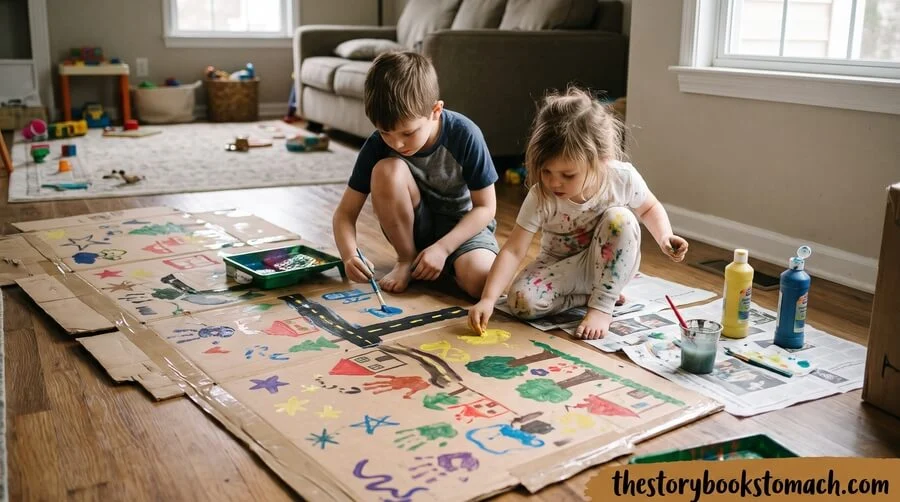
The next time a large delivery box arrives, flatten it out on the floor instead of recycling it right away. Tape it down, set out washable markers or crayons in the middle, and ask them to design a whole town, a jungle, or a racetrack together.
Because the canvas is huge, nobody feels crowded out of their personal space. They naturally start connecting their drawings—like drawing a road from one child’s house straight to the other child’s castle.
7. Have a “Sibling Appreciation” Jar at Dinner
Kids often point out what their sibling did wrong, so we started training their brains to notice what their sibling did right. Keep an empty mason jar and slips of paper on the dining table.
Once a day, ask each child to write or draw one nice thing their brother or sister did—like sharing a toy or making them laugh. Read the notes out loud every Friday night. Watching their faces light up when they hear praise from their own sibling is priceless.
8. Wash the Family Car (or Bicycles) Together
Water play is an instant mood booster. Give them a bucket of soapy water, two big sponges, and a garden hose, and put them in charge of washing their bicycles or the lower doors of the family car.
Yes, they will end up spraying each other with the hose, and yes, everyone will get soaked—but shared laughter in the sunshine washes away days of pent-up frustration.
9. Play “Mirror, Mirror” Dance Freeze
Put on upbeat music and pick one child to be the leader. Whatever dance move, funny face, or silly walk the leader does, the other child has to copy like a mirror. When you pause the music, both have to freeze like statues, and then they swap leaders. It takes zero prep, burns off rainy-day energy, and guarantees belly laughs within two minutes.
Plus, music isn’t just fun—read more about how music helps kids learn faster in our earlier post!
10. Start a Shared “Secret” Handshake
Kids love having something that belongs exclusively to them. Encourage your kids to invent a 4-step secret handshake—maybe a high-five, a fist bump, a spin, and a funny sound effect. Remind them to use it before school drop-off or right before bed. That tiny daily ritual reminds them that no matter how much they argue, they are always on the same team.
🎁 Free Printable: Want to make this even easier? Download our free “Sibling Kindness Bingo & Teamwork Challenge” checklist to hang on your fridge! Download Free PDF Here
Let’s Chat in the Comments!
Every family has its own rhythm, and I would love to hear what works in your home:
- Which of these 10 activities do you think your kids would try first?
- What is one game or daily habit that always stops fights and gets your kids laughing together?
Drop your ideas in the comments below—your tip might be the exact thing another tired parent needs today!