
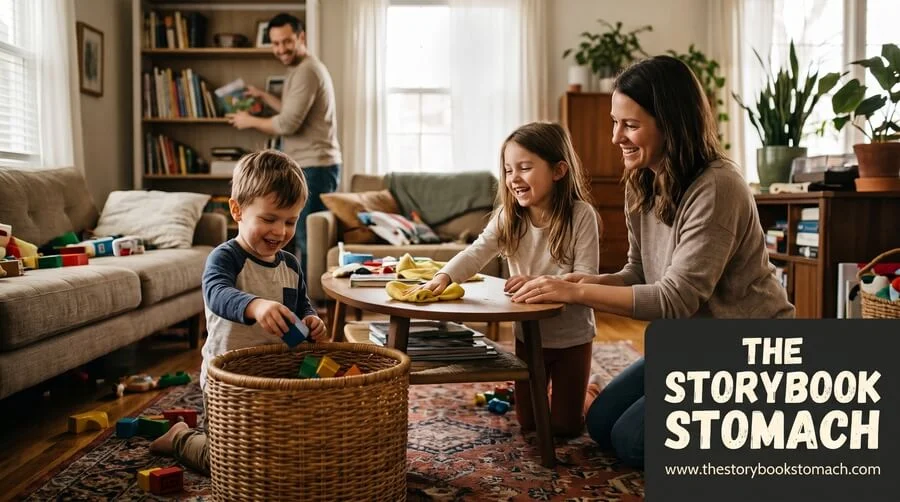
If you have ever asked your child five times to put away their shoes—only to end up doing it yourself—you are definitely not alone. In my house, evenings used to feel like a nonstop loop of nagging, sighing, and tripping over stray building blocks. Every time I mentioned cleaning up, my kids suddenly acted like their legs had stopped working.
I finally realized the problem wasn’t that my kids were lazy. The real issue was that chores for kids feel boring, overwhelming, and bossy when we present them like a list of orders. Once I stopped treating housework like a punishment and started turning it into a game, everything changed.
Here is what actually worked in our home to make family chores fun, stress-free, and something kids genuinely want to join.
Why Chores for Kids Matter More Than a Clean Living Room
When you are tired at the end of a long day, it is much faster to wipe the table or fold the laundry yourself. I used to fall into that trap all the time.
Over time, I noticed that giving my kids small daily responsibilities did way more than keep our floors clear. When children help out at home, they feel like an important part of the family team. Even simple tasks—like matching socks or watering a plant—teach patience, focus, and self-confidence. Kids love feeling capable, and chores for kids give them a safe way to say, “Look, I did this all by myself!”
7 Simple Ways to Make Chores for Kids Actually Fun
You do not need expensive toys or complicated rules to get your children excited about helping. Try mixing a few of these easy ideas into your weekly routine.
1. Create a Colorful Weekly Reward Chart
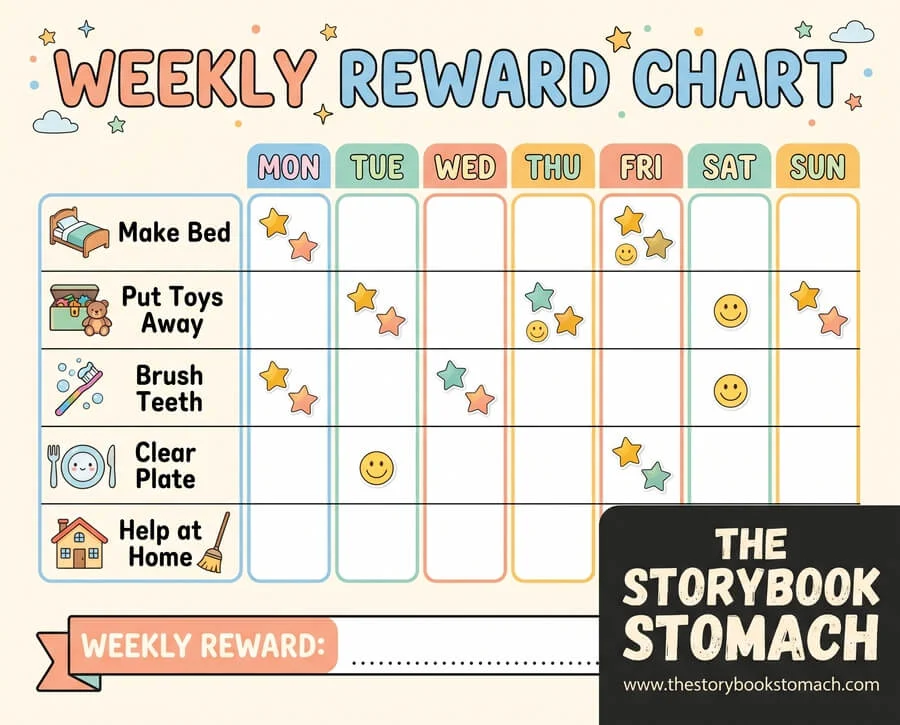
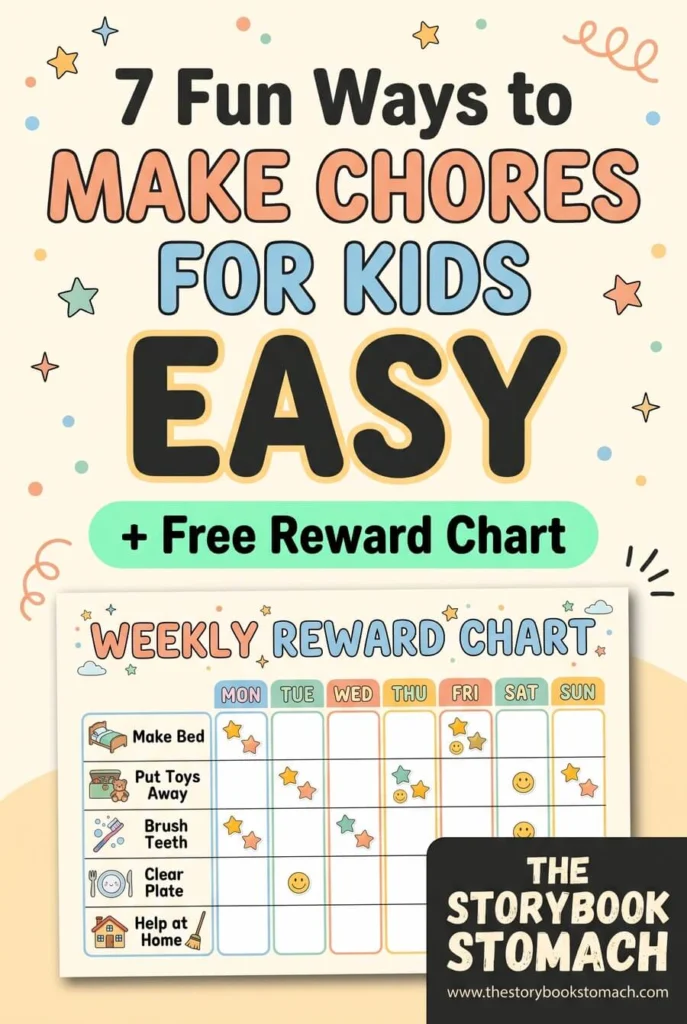
This single change made the biggest difference in our routine. Kids are visual learners—telling them “you did a good job” is nice, but letting them place a bright star or sticker next to their name feels like winning a trophy.
We hung a simple weekly reward chart right on the fridge at my kids’ eye level. Each morning and evening, they check off two or three tiny tasks, like making their bed or putting dirty dishes in the sink. At the end of the week, a full row of stickers earns a fun family reward—not expensive toys, just simple things like picking Friday night’s movie, extra bedtime story time, or choosing what we bake on Sunday.
2. Turn Cleanup Time Into a 5-Minute Dance Party
Silence makes cleaning feel slow, while upbeat music gives kids instant energy. Whenever the playroom looks like a tornado hit it, I put on two of our favorite high-energy songs and announce that cleanup lasts only until the music stops.
My kids immediately start dancing, singing, and tossing toys into bins to the beat. You will be amazed at how much messy clutter disappears in just four minutes when everyone is moving to a fun rhythm.
3. Give Everyday Tasks Funny “Mission” Names
Words matter a lot to young kids. Nobody wants to “pick up the living room,” so we stopped calling it cleaning and started giving each task a silly secret-agent title:
- Toy Rescue Squad: Saving stuffed animals and action figures from the floor before bedtime.
- Sock Detective: Finding matching pairs from the clean laundry basket.
- Crumb Vacuum Captain: Using a small handheld vacuum or broom around the dining chairs.
- Book Librarian: Lining up picture books neatly on the shelf.
Changing the name takes zero effort, yet it instantly shifts a child’s mood from grumpy to playful.
4. Play “Beat the Timer”
Kids love a friendly race, especially against a kitchen timer. Set a timer on your phone or stove for three or five minutes and challenge your kids: “Let’s see if we can get all the blocks into the blue bin before the buzzer goes off!”
I always cheer them on like a sports announcer during the final ten seconds. When they beat the clock, we do a giant family high-five. It turns a slow, drawn-out chore into a fast burst of teamwork.
5. Use a Mystery Chore Jar
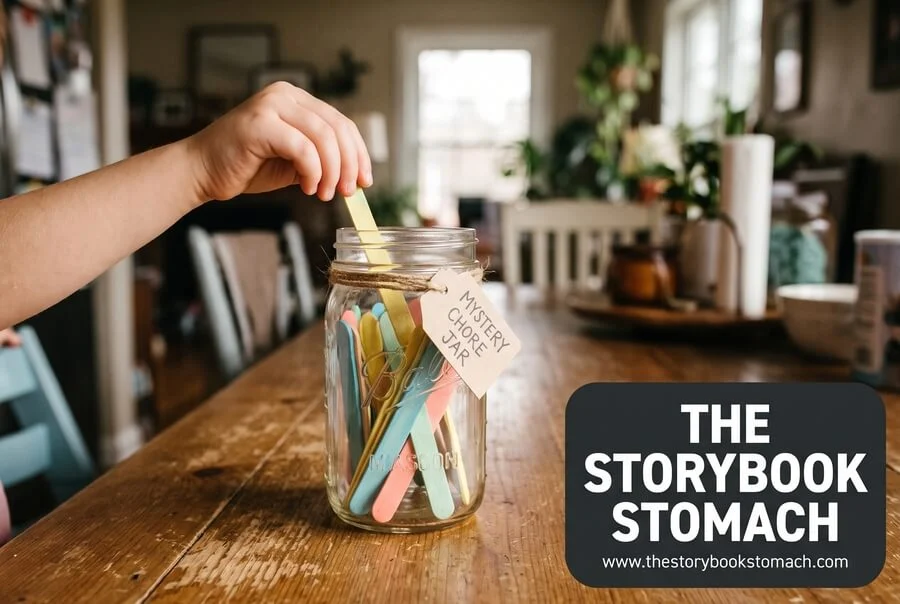
When kids feel forced into a task, they naturally push back. Giving them a sense of choice solves half the battle. Write ten easy chores for kids on wooden popsicle sticks or folded slips of paper and drop them into a mason jar.
Let each child close their eyes and pull out one mystery stick. Because fate picked the chore instead of Mom or Dad, kids treat it like a board game and rarely complain about what they draw.
6. Turn Sorting Into a Quick Learning Game
If you have toddlers or preschoolers, chores double as fantastic hands-on learning moments. Ask your child to sort clean laundry by color, count how many spoons go into the drawer, or put away all toys that start with the letter “B” first. It keeps their brains busy and turns tidying up into a mini scavenger hunt.
7. Work Side-by-Side as a Family Team
Nothing kills a child’s motivation faster than being told to clean while everyone else sits on the couch. Instead, try a daily 10-Minute Family Power Tidy. Put everything down, pick one room, and work right next to your kids. When children see you wiping counters while they put away crayons, chores feel like shared family time rather than an unfair punishment.
Age-Appropriate Chores for Kids (Quick Guide)
Choosing tasks that match your child’s age prevents frustration and keeps confidence high:
| Age Group | Easy & Fun Chores to Try |
|---|---|
| Toddlers (Ages 2–3) | Put toys in a low basket, place dirty clothes in the hamper, wipe spills with a small cloth |
| Preschoolers (Ages 4–5) | Water indoor plants, match socks, clear their own plastic plate, help make their bed |
| Early Elementary (Ages 6–8) | Feed pets, fold small towels, set the dinner table, organize school backpacks |
| Older Kids (Ages 9+) | Load the dishwasher, sweep the kitchen floor, take out light recycling, sort their own laundry |
printable Reward Chart PDF
Frequently Asked Questions About Chores for Kids
What is the best age to start chores for kids?
You can start as early as age two with tiny, guided tasks like putting blocks into a bin or handing you laundry clips. Keeping it playful early on builds a natural habit before they reach school age.
Should I pay my kids for doing daily chores?
In our house, basic self-care tasks like making the bed or clearing dinner plates are unpaid family teamwork. Stickers on a reward chart work much better for young kids, while older children can earn small allowances for extra weekend jobs like washing the car.
How many chores should a child do each day?
Keep it simple—two to three small tasks per day (around 10 to 15 minutes total) is plenty for young kids so they stay motivated without feeling overwhelmed.
Final Thoughts—And I’d Love to Hear From You!
Making chores for kids fun doesn’t mean your house will look like a magazine cover every single day, and that is completely okay. Some days will still be messy. What matters most is building happy, helpful habits without losing your patience—or your voice.
Before you go, tell me in the comments:
- Which chore causes the biggest battle in your house right now?
- Have you ever tried a sticker or reward chart with your kids—what reward motivated them the most?
- What is one clever trick you use to get your little ones excited about helping at home?